Generative Engine Optimization for E-commerce: GEO vs SEO
Generative engine optimization (GEO) is the work of getting your content and products into the answers AI systems write, in ChatGPT, Gemini, Google AI Mode, Microsoft Copilot and Perplexity. SEO competes for a place in a list of links. GEO competes for a place in the answer. For an online store, that answer is usually a short list of products, and what decides it is mostly product data.
This guide covers where the term comes from, how GEO differs from SEO for e-commerce, and what Google, OpenAI and Shopify actually document. Sources are linked inline and were checked on October 29, 2026.
Where GEO Comes From
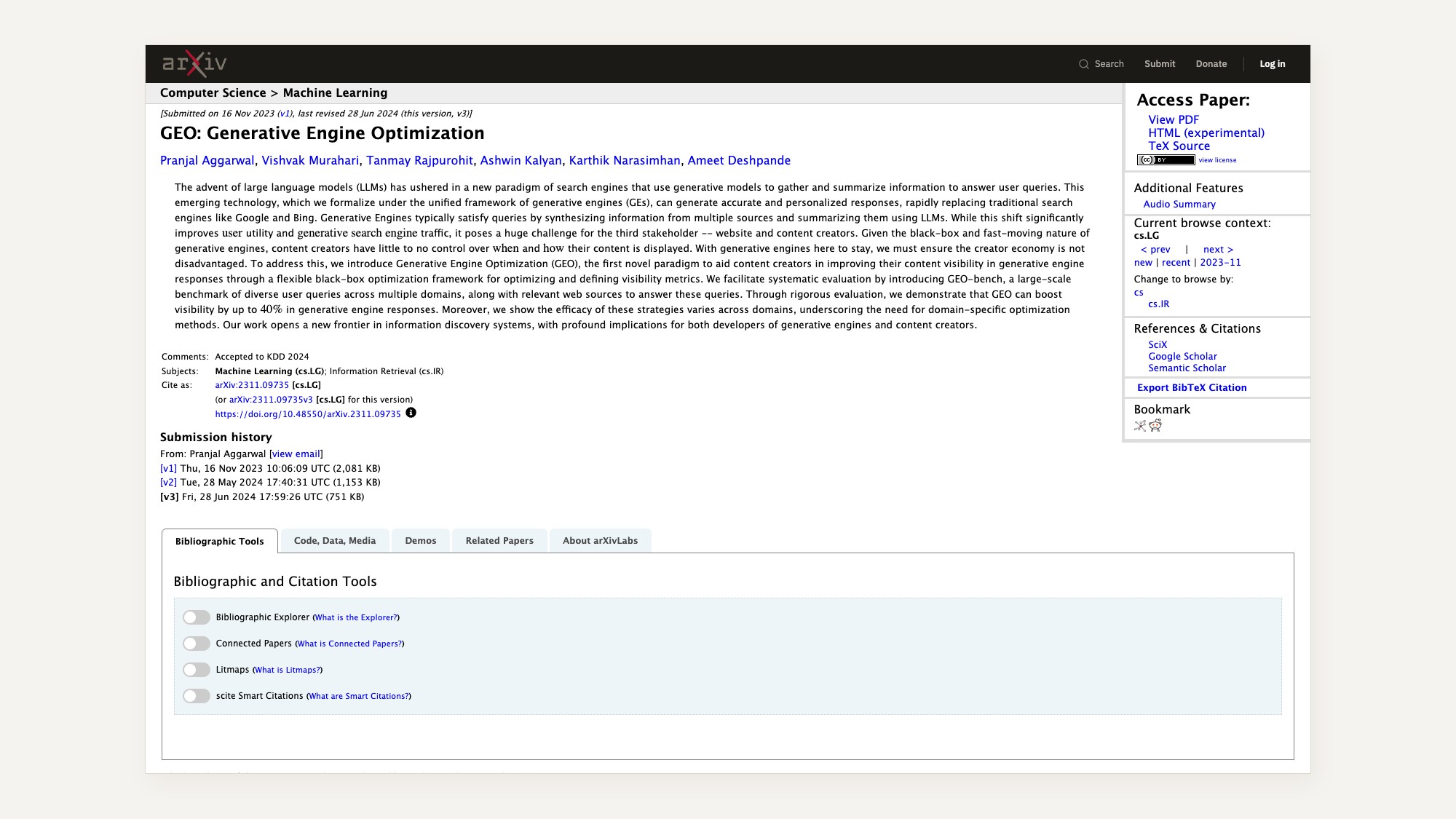
The term was introduced in “GEO: Generative Engine Optimization” by Aggarwal and colleagues, first posted in 2023 and accepted to KDD 2024. The paper treats generative engines as systems that gather sources and summarize them with a language model, and defines GEO as a way for content creators to improve their visibility in those responses. Its headline result: GEO methods can boost visibility by up to 40% in generative engine responses. Its caveat matters as much: the methods' efficacy varies across domains.
Shopping is its own domain. An AI shopping agent asked for “a carry-on that fits under a plane seat” doesn't cite the best-written blog post. It compares product dimensions.
GEO vs SEO
| Aspect | SEO | GEO for a store |
|---|---|---|
| Goal | Rank a page in a list of links | Be named, cited or recommended inside a generated answer |
| What the shopper sees | Ten blue links and ads | A few products or sources, chosen and summarized for them |
| Unit that competes | A page | A product listing, a fact or a passage |
| Main input for a store | Pages, links, technical health | Product data, policies and the pages engines can crawl |
| Success metric | Rankings, clicks | Mentions, citations, AI channel sessions and orders |
The overlap is bigger than most GEO pitches admit. Google's guidance on AI features says specific optimization isn't required for AI Overviews and AI Mode and that SEO fundamentals still apply. To be shown as a supporting link, a page must be indexed and eligible for a snippet, with no additional technical requirements. Google also describes “query fan-out”: the AI issues several related searches across subtopics and sources to build one answer. A page that answers one narrow question well can be pulled into many answers.
We use GEO and AEO, answer engine optimization, for the same goal. Our AEO vs SEO guide covers the content side in more depth.
What Is Different for E-commerce
A content site has one way into an AI answer: its pages. A store has two. Pages are crawled like anyone else's, and products also travel as structured data into AI shopping channels:
- Shopify Catalog. Shopify sends eligible stores' products to ChatGPT through Shopify Catalog, and to Google AI Mode and Gemini, Microsoft Copilot and Meta through Agentic Storefronts.
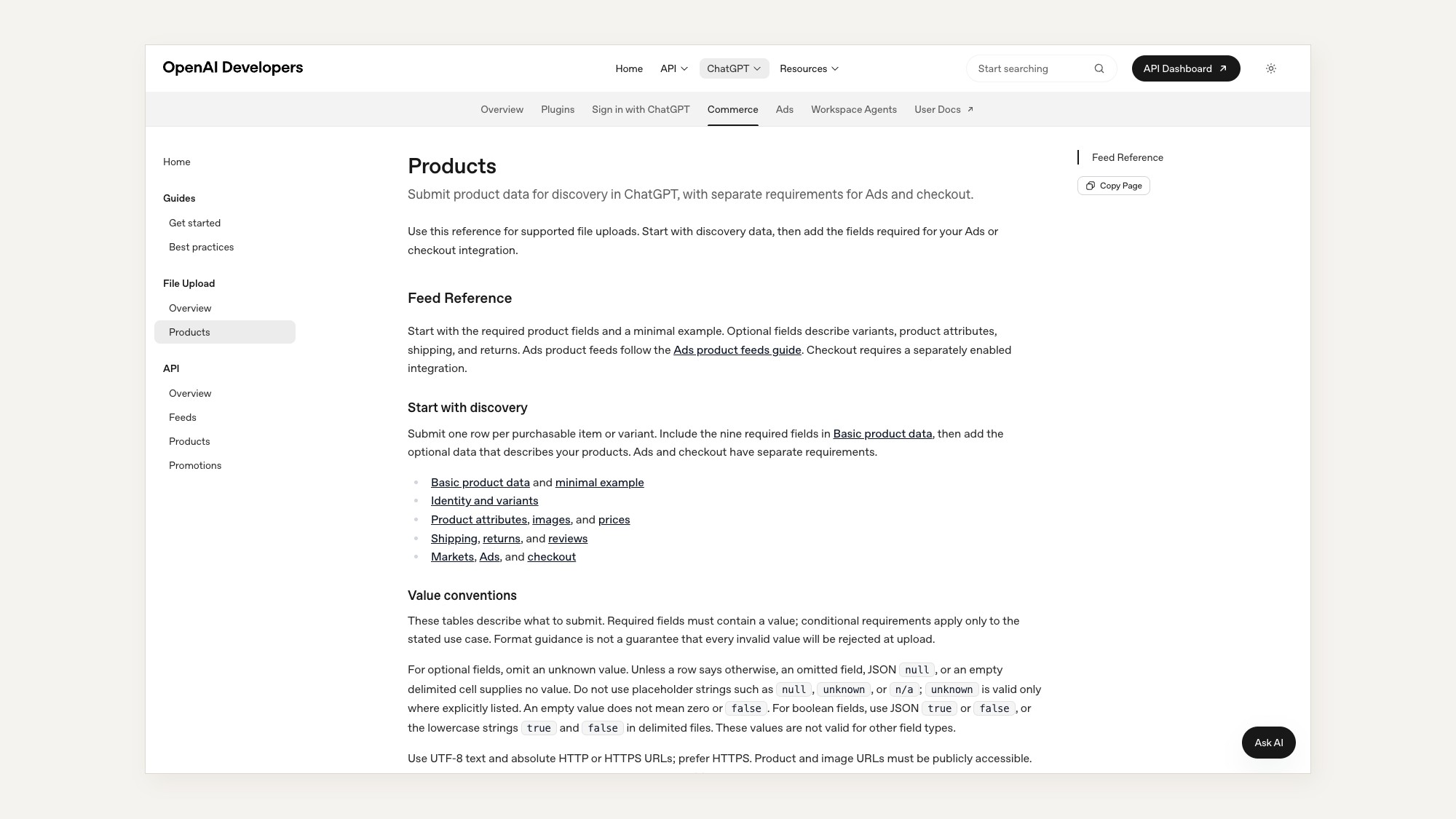
- Product feeds. OpenAI's commerce docs say required feed fields make price and availability display correctly, while recommended attributes such as rich media, reviews and performance signals improve ranking, relevance and user trust.
- Merchant Center. Google's AI features guidance lists keeping Merchant Center and Business Profile information up to date among its recommendations.
So GEO for a store is mostly a data job. That is also where it fails in front of shoppers. In 40rty's survey of 1,614 US online shoppers, two in three AI shoppers had seen AI get product information wrong, and 65% of them walked away. A mention that quotes the wrong price is worse than no mention.
A GEO Checklist for Shopify Stores
- Keep crawlers in. OpenAI's crawler docs say sites that opt out of OAI-SearchBot won't be shown in ChatGPT search answers. Check
robots.txt.liquidbefore anything else. - Write product data as facts. Shopify's list of fields AI platforms consider starts with title, description, images, type, vendor, tags, barcode and variants. Fill every one.
- Use structured attributes. Category metafields give agents the attributes they filter on; see Shopify metafields for AI agents.
- Match structured data to the page. Google asks that structured data match the visible text. Facts that only live in markup are a liability.
- Publish answers, not slogans. Sizing, care, compatibility and returns pages answer the narrow questions that query fan-out goes looking for.
- Optimize for prompts, not keywords. Shoppers describe a need. Build a list of the prompts your products should win and check them across engines.
One engine is not enough. In our survey, 52% of US online shoppers had used Google Gemini or AI Mode in the past three months and 50% had used ChatGPT. For ChatGPT specifics, see how to rank in ChatGPT; for what an llms.txt file does and doesn't do, see our guide.
How to Measure GEO
Rankings don't transfer. Track three things instead: whether you are named for a fixed set of shopping prompts across engines, which sources the engines cite when you are not, and sales from AI channels. Shopify's Agentic page covers the last one, with sales, orders, sessions and conversion rate per AI channel.
SEO got you onto the shelf. GEO decides whether the agent takes you off it.
FAQ
What is generative engine optimization?
Generative engine optimization (GEO) is the work of making your content more visible in answers written by AI systems such as ChatGPT, Gemini, Google AI Mode and Perplexity. The term comes from a 2023 research paper, accepted to KDD 2024, which reported that GEO methods can boost visibility in generative engine responses by up to 40%.
What is the difference between GEO and SEO?
SEO aims to rank a page in a list of links. GEO aims to get your brand, page or product named inside the answer an AI writes. They share foundations: Google says its AI features need no special optimization beyond SEO fundamentals. For a store, GEO adds a second front, the structured product data that AI shopping channels read.
Is GEO the same as AEO?
Mostly. Answer engine optimization (AEO) and generative engine optimization (GEO) describe the same goal, being included in AI-written answers. GEO is the term from the research literature; AEO is more common in marketing.
Does GEO replace SEO for e-commerce?
No. Google says a page must be indexed and eligible for a snippet to be shown as a supporting link in AI Overviews or AI Mode, so SEO is still the entry ticket. GEO adds the product data layer and the habit of measuring mentions and AI channel sales instead of only rankings.
How do I measure GEO for a Shopify store?
Shopify's Agentic page reports sales, orders, sessions and conversion rate per AI channel and shows queries where your products appeared in Shopify Catalog. Pair it with a fixed set of shopping prompts you check across ChatGPT, Gemini, Copilot and Perplexity over time.
Check Your Store
The free 40rty audit scores a storefront's agentic commerce readiness, with no install and no account. Agents and developers can call it at GET https://audit.40rty.ai/api/audit?domain=<store>.
AgentIQ by 40rty builds agent confidence in your product listings, so AI shopping agents rank, recommend and add them to cart. It finds the shopping prompts your products should win, tracks where they rank in Shopify Catalog and rewrites listings around those prompts. Plans are Small $49 a month (50 products), Pro $149 (1,000), Grow $499 (10,000) and Autopilot $799 (unlimited), per the App Store listing. Cheaper apps cover parts of this; our comparison of Shopify AEO and GEO apps says which.
More from our backlog
October 29, 2026
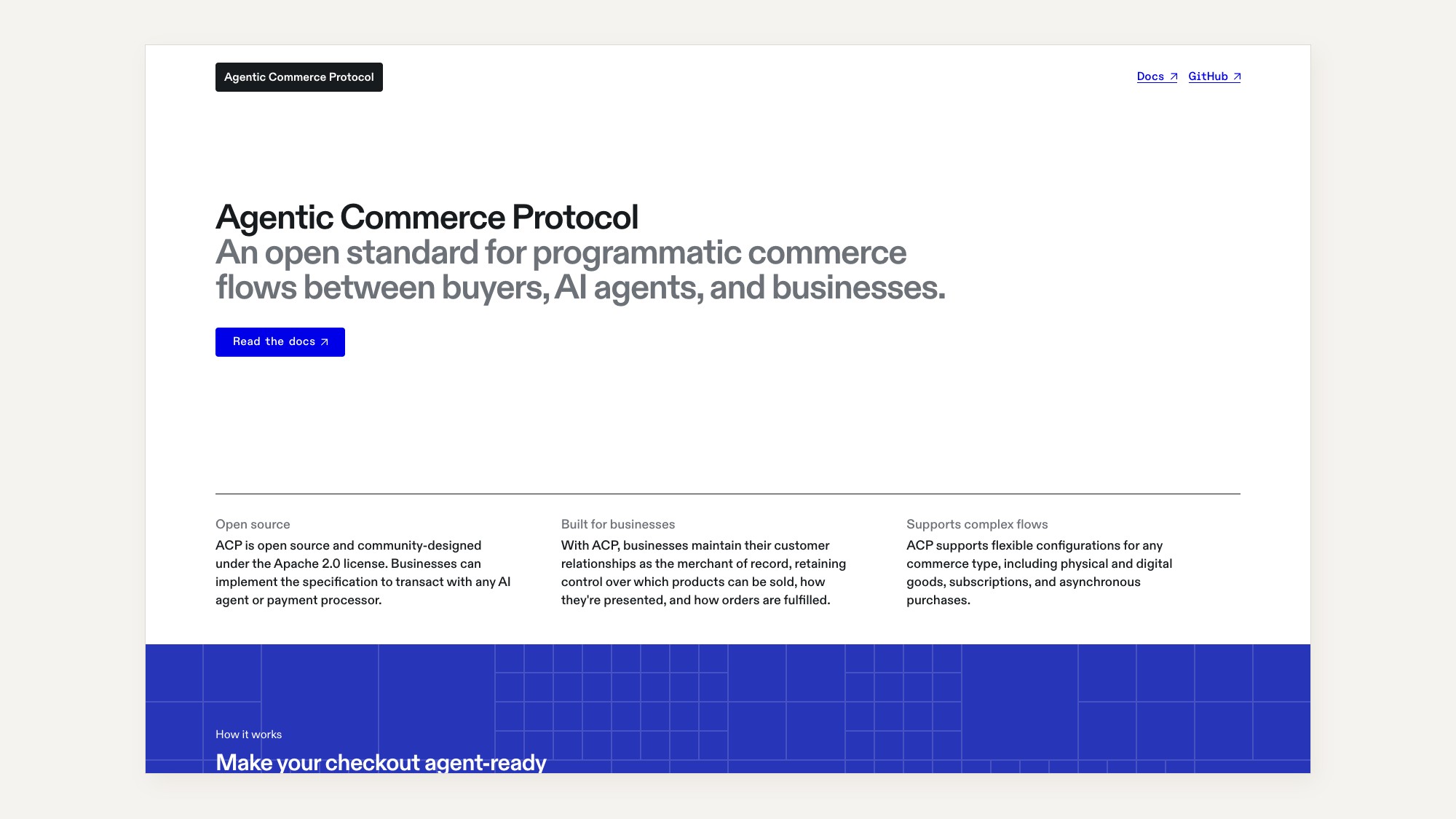
The Agentic Commerce Protocol (ACP): A Guide for Shopify Merchants
October 29, 2026
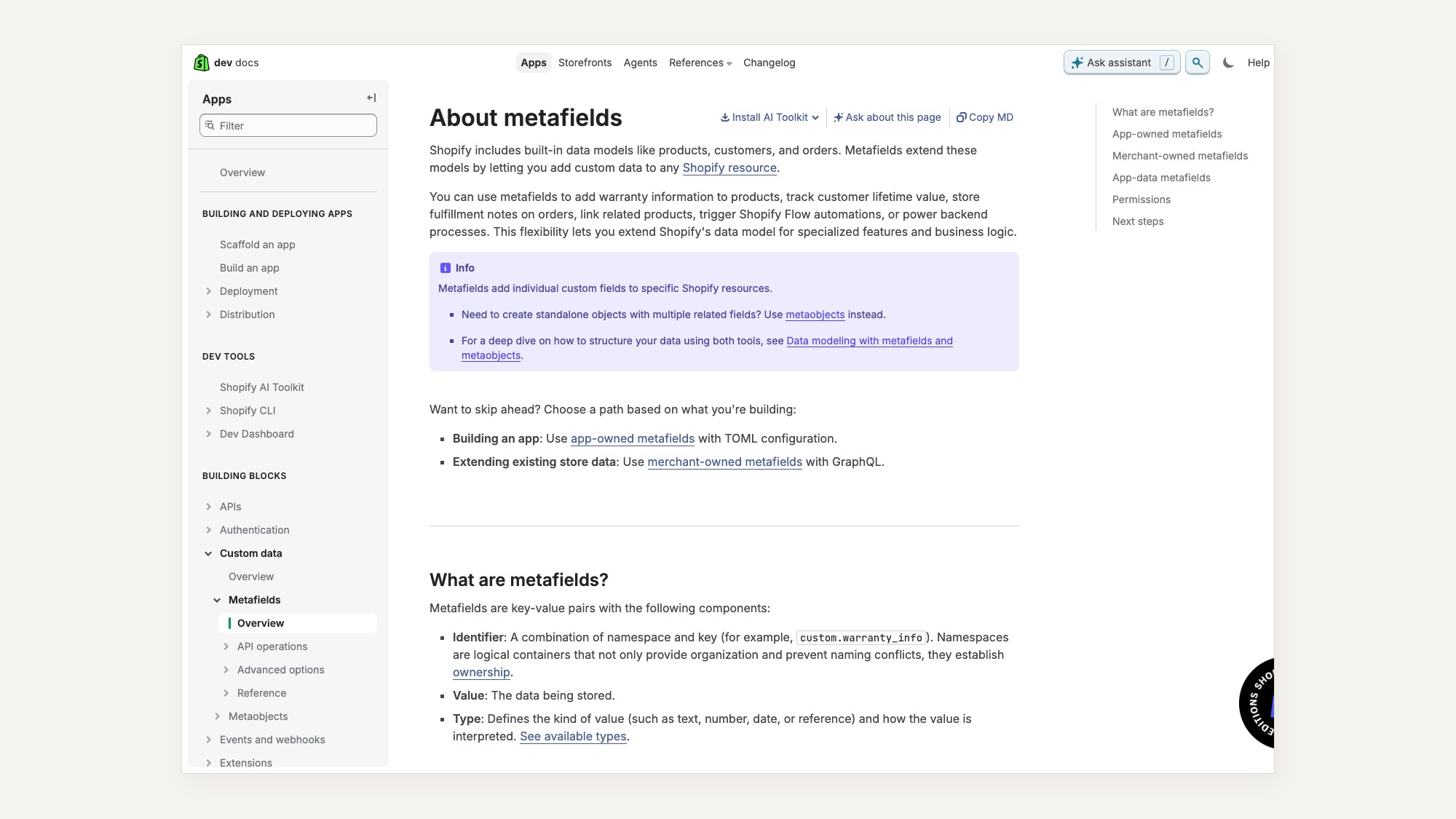
Shopify Metafields for AI Shopping Agents: What to Fill In
October 29, 2026
How AI Shopping Agents Decide Which Products to Recommend

October 18, 2026
llms.txt: What It Is and Whether Your Shopify Store Needs One