
Shoppers arrive with intent.
AMS builds the storefront to match.
Shoppers stopped browsing.
They ask. They compare. They delegate. AI traffic to retail is up 393%, and 79% of agent sessions skip your homepage. The intent is arriving. Your store is still serving a page.
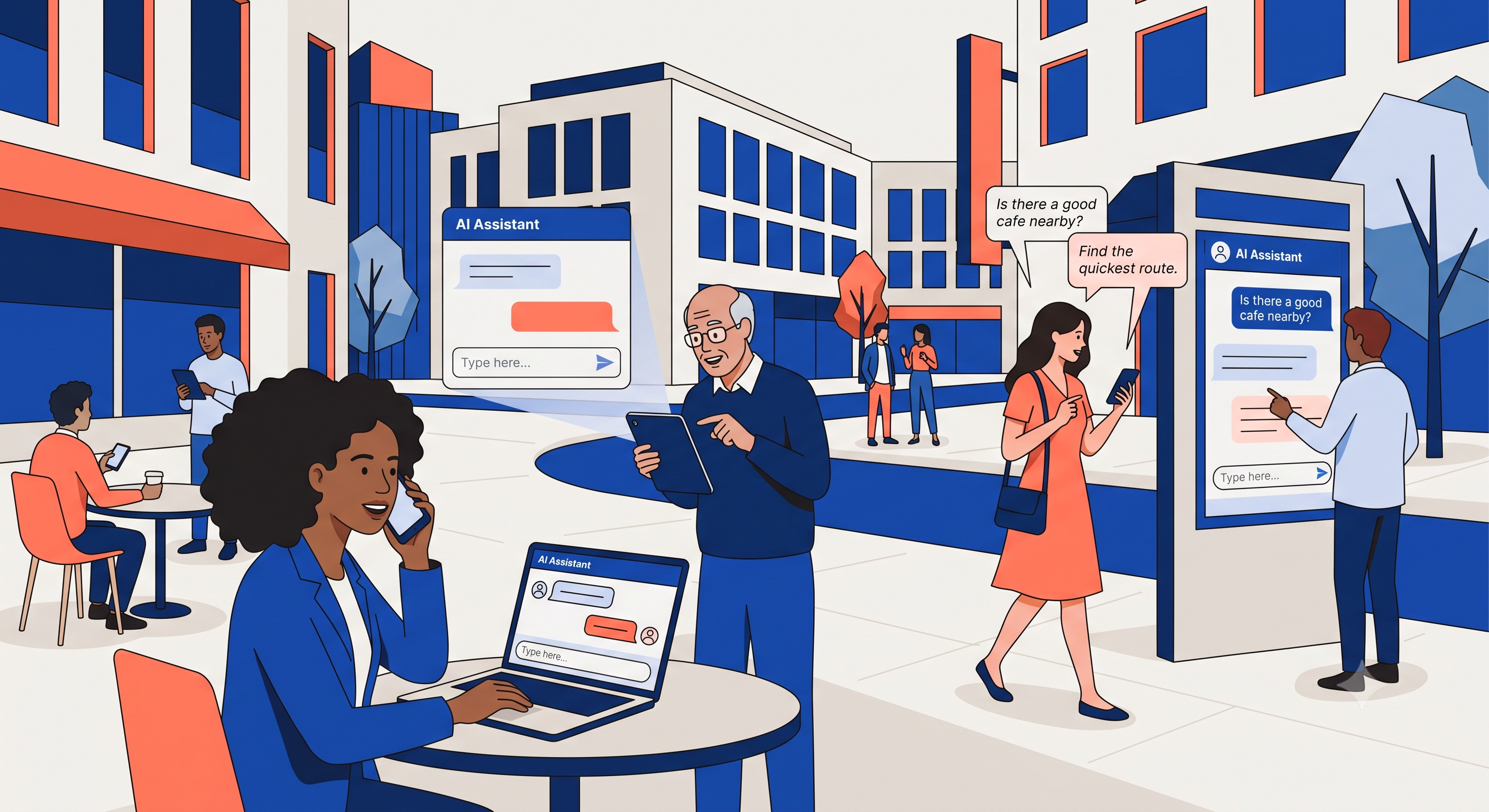
Not a chatbot. The storefront itself.
AMS reads each shopper’s intent and assembles the answer in real time. One storefront. Two visitors. The same tailored answer: a live interface for humans, a curated layout for agents.
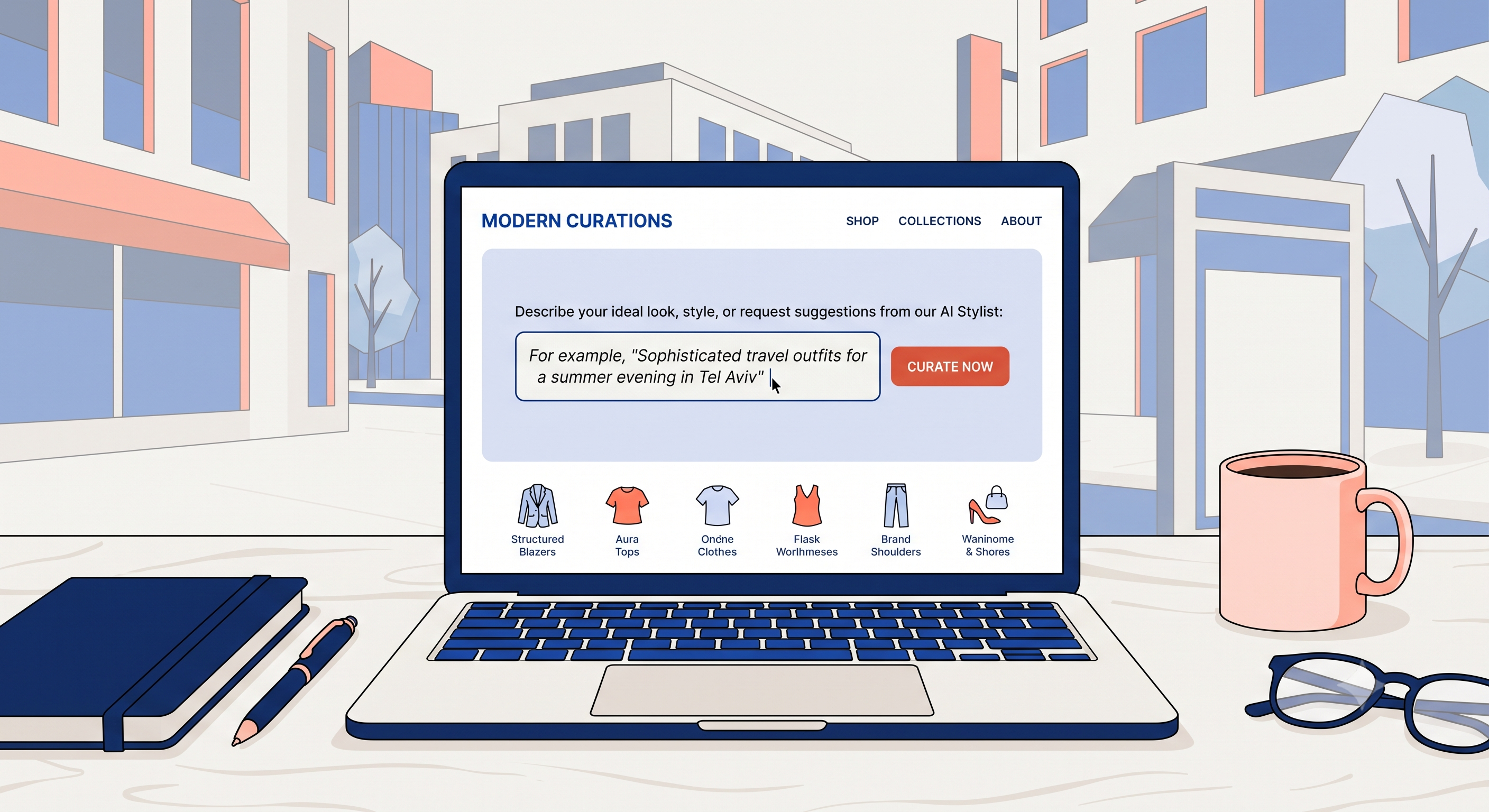
- It starts with intent
An ask arrives from an assistant, a feed, or a search. 40rty reads a person, not a page request.
- The agent composes
It reads her account and taste, then works your catalog and policies, sized to her fit and her weather.
- A storefront, streamed
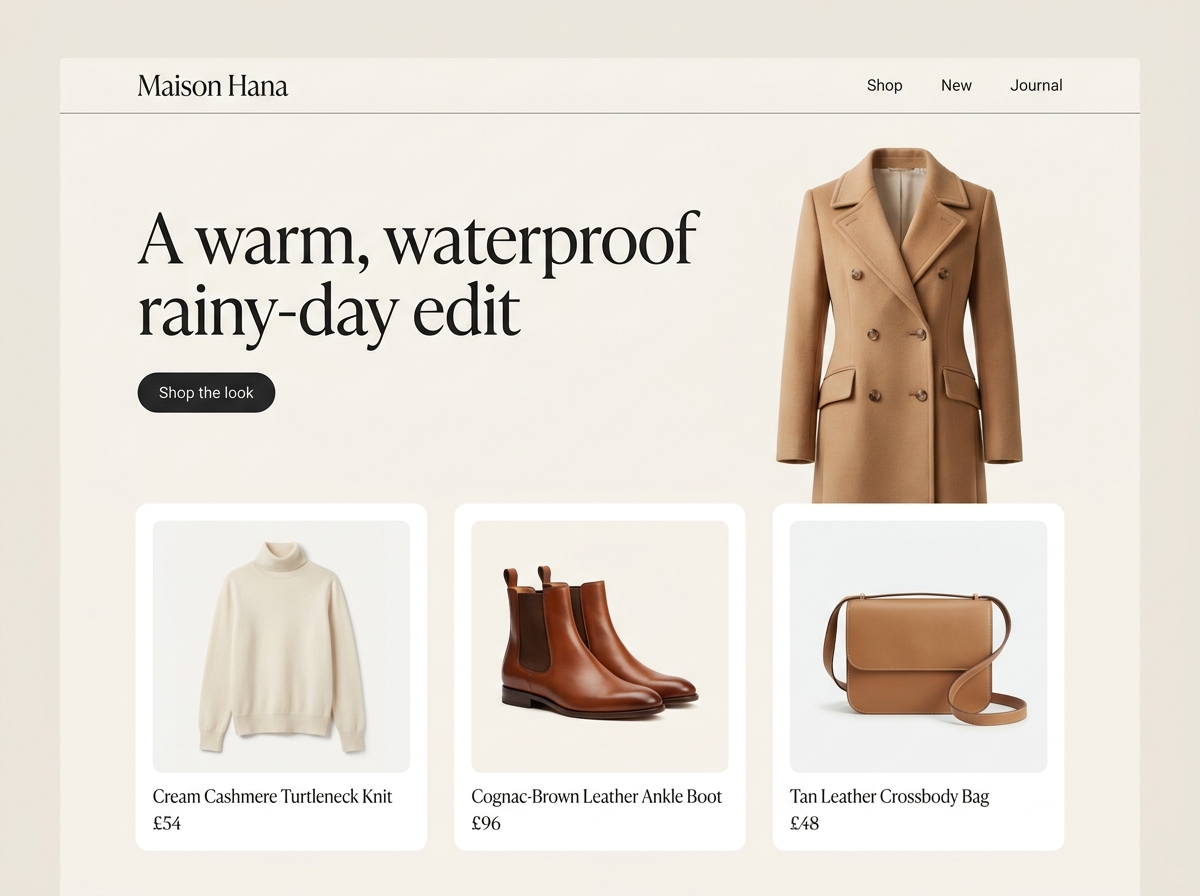
Out comes a live storefront built for that one shopper. Her look, her budget, her rain.
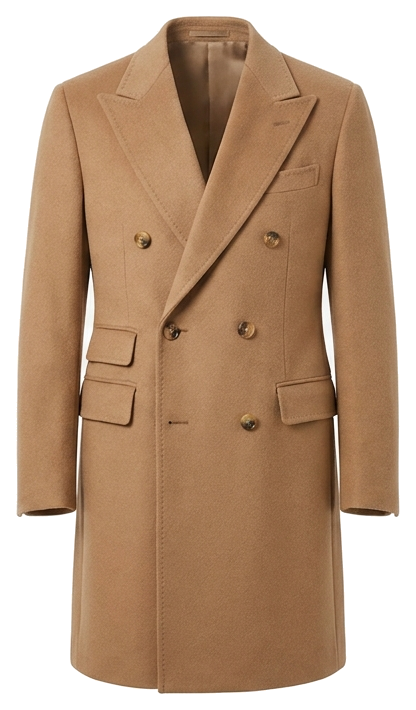
She leans warm neutrals with gold hardware, and returns anything stiff. London is 11°C and raining this weekend, so I’m up-weighting waterproofing, sealing the leathers, and holding the whole look under her £400.
An ask arrives from an assistant, a feed, or a search.
It reads her taste, then works your catalog and policies.
A live storefront built for that one shopper.
For a century, the merchant’s craft was arrangement. Where the product sat on the floor, the sequence of the catalog, the template built once and handed to everyone who showed up. Different tools, same job underneath: decide the experience in advance, for a shopper you’d never meet, and hope you guessed right for enough of them. That guess had a name, the average shopper, a useful fiction we designed around because we had no other choice. But nobody is the average shopper. Everyone who arrived at a store built for that fiction had to do the work themselves: scroll the 847 results, read the filters, translate what they wanted into what the page happened to offer.
We don’t believe that holds anymore. Shoppers have started to delegate, telling an AI what they need and trusting it to come back with the answer. They no longer land on a page. They arrive with an intent, and the experience gets built around it in the moment: which attributes matter for this question, whether they’re still deciding and need a comparison. Built for one person, once, and maybe never again in that exact shape.
So the job changes, honestly and completely. You’re not designing the page. You’re designing the logic that designs it: your voice, your rules, what you lead with and what you hold back. The brand stops living in the layout and starts living in the parameters. It’s harder, and more abstract. But what comes out isn’t a store that looks the same to everyone. It’s one that feels right to each person who finds it. Commerce has been trying to deliver that for decades. We think it’s finally possible.