
Newsletter March 2026: The Product Catalog is now your AI shelf
This is a moment to get the ball rolling, get the wheels in motion, get the show on the road (I couldn't choose), of 2026 agentic commerce. Shopify just made something very explicit: agentic commerce is no longer a conceptual PR story. It is now a real sales channel set up inside Shopify, and product publishing runs through Shopify Catalog.
This is not a mass email. This is a direct line from the 40rty team. Inside: 3 ecosystem updates, what they mean in plain English, and how to use 40rty to test what agents actually select by.
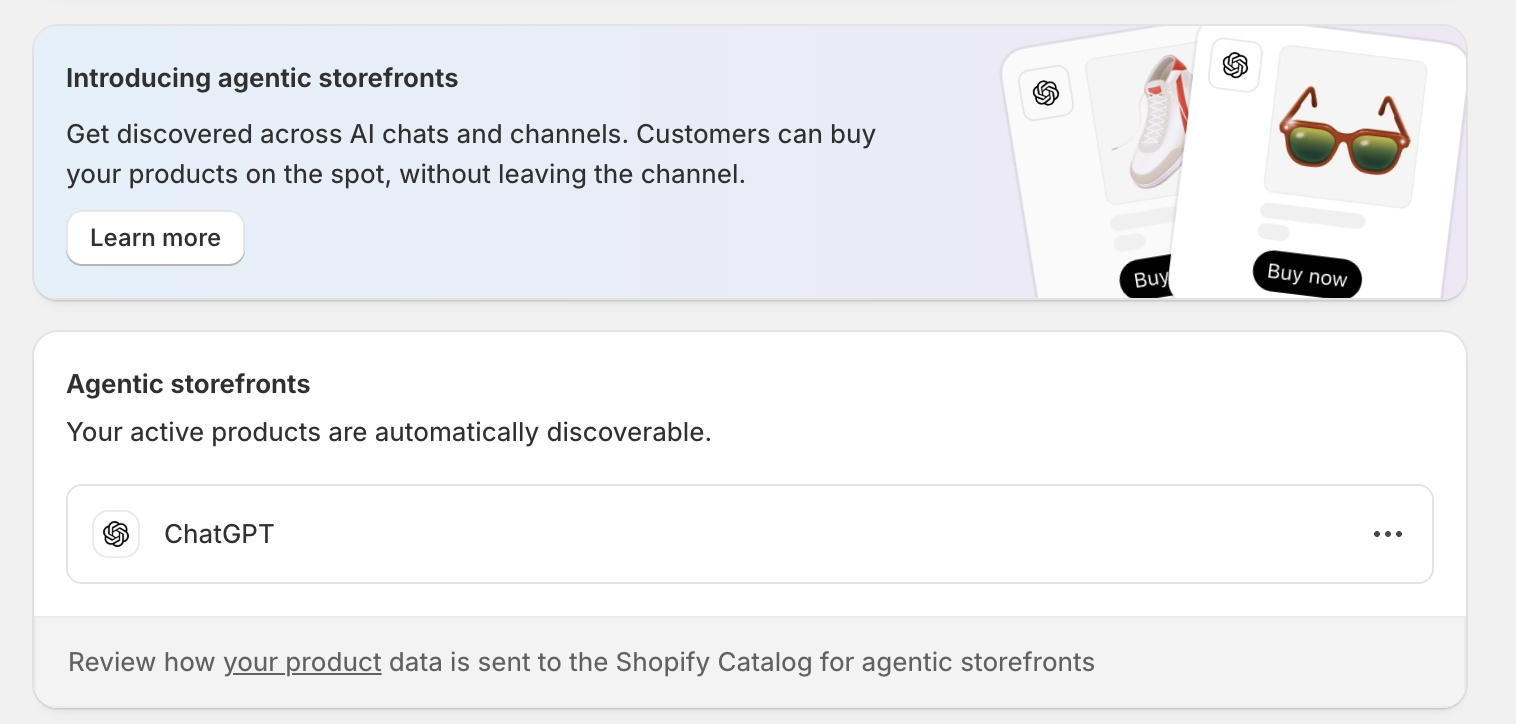

1. Shopify officially opened Agentic Storefronts, what this changes for operators
- AI channels are now a channel ops problem, not just a brand awareness conversation.
- You need to know where you are opted in, where checkout happens, and how attribution shows up in admin. Shopify says orders from agentic storefronts show channel or referrer attribution in admin.
- ChatGPT behaves a bit differently today. Shopify says ChatGPT sends shoppers to your online store checkout in the ChatGPT in-app browser or a new tab on web, while other agentic storefronts can support in-channel Shopify-powered checkout.
- Treat this like performance merchandising. The question is not "am I visible?" It is "am I returned with enough decision context to get chosen?"
2. Shopify made the catalog layer explicit
What happened: Shopify states that products are automatically discoverable by AI channels through Shopify Catalog, and that syndicated catalog data includes title, description, options, images, price, availability, and other structured attributes. Shopify also says Catalog continuously updates product data so inventory and pricing stay accurate across AI channels.
- Structured product data matters more because agents query listings, not webpages.
- Variant logic matters more because the catalog can return options, availability, and current pricing directly from structured data. Shopify also says Catalog can group products and source data from metafields, metaobjects, and custom logic through Catalog Mapping.
- This is one of the biggest differences vs regular web search style results. When catalog-backed experiences are working well, shoppers can see real pricing, availability, and variant structure rather than a generic page snippet. That shortens the path from intent to decision.
- Human PDP copy and agent listing context should not be treated as the same job anymore.
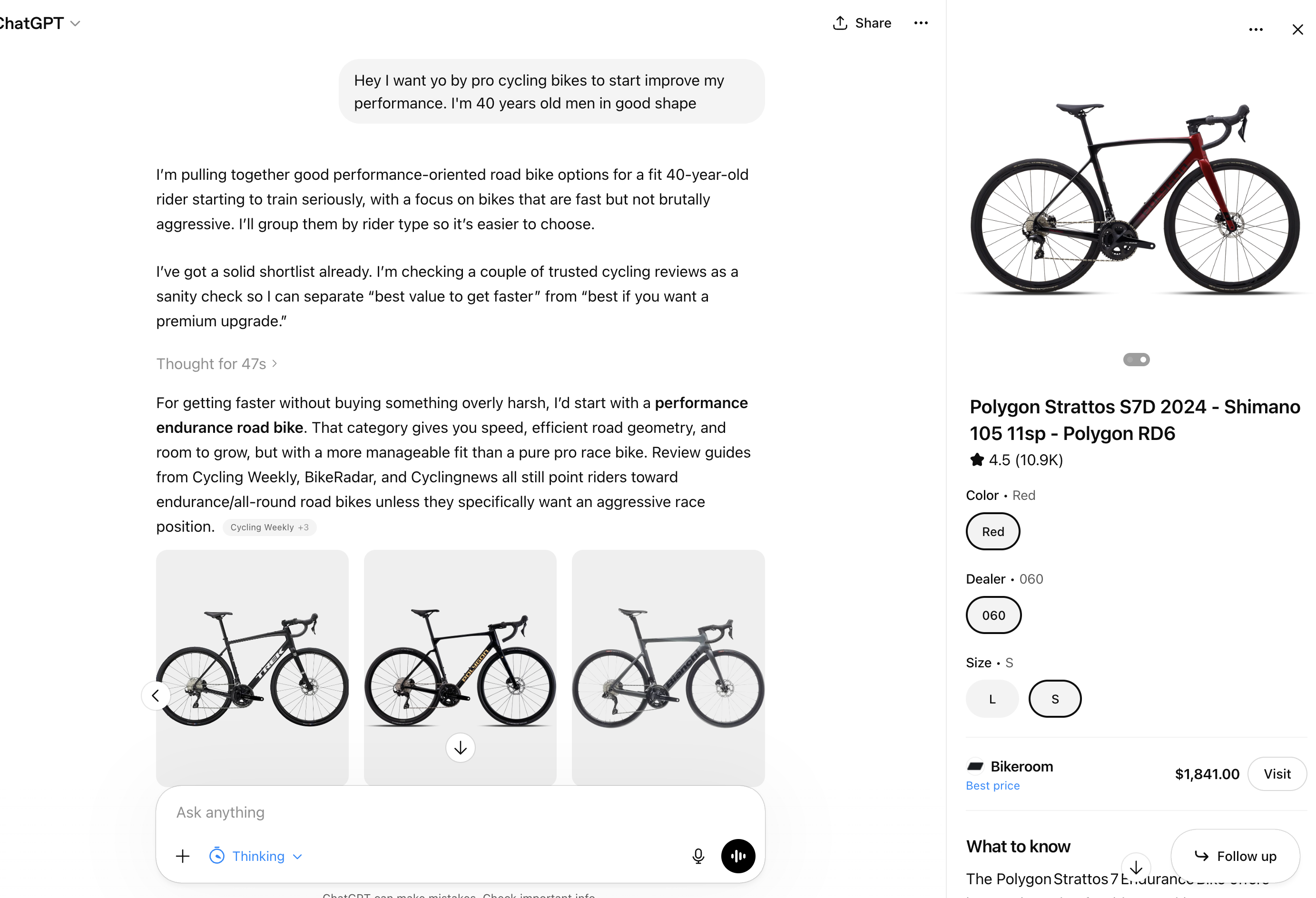
3. Shopify's message is: "Set up once, distribute widely."
What happened: Shopify says merchants can set up once and use Shopify Catalog to syndicate products across AI chat surfaces. Channel controls, attribution, and product structuring are handled through Shopify's system. Shopify also highlights schema, grouping, metafields, and Knowledge Base App inputs as ways brands shape their appearance in AI conversations.
A quick note on what to watch: operators should notice one interesting thing, when product discovery comes through the catalog layer, the experience can show much richer commerce signals than generic web search style results, especially regarding variants, availability, and real-time pricing. Shopify explicitly states that Catalog syndicates structured product data and keeps pricing and inventory current across AI channels. That is exactly why this category will increasingly behave like a performance channel, not a content guessing game.
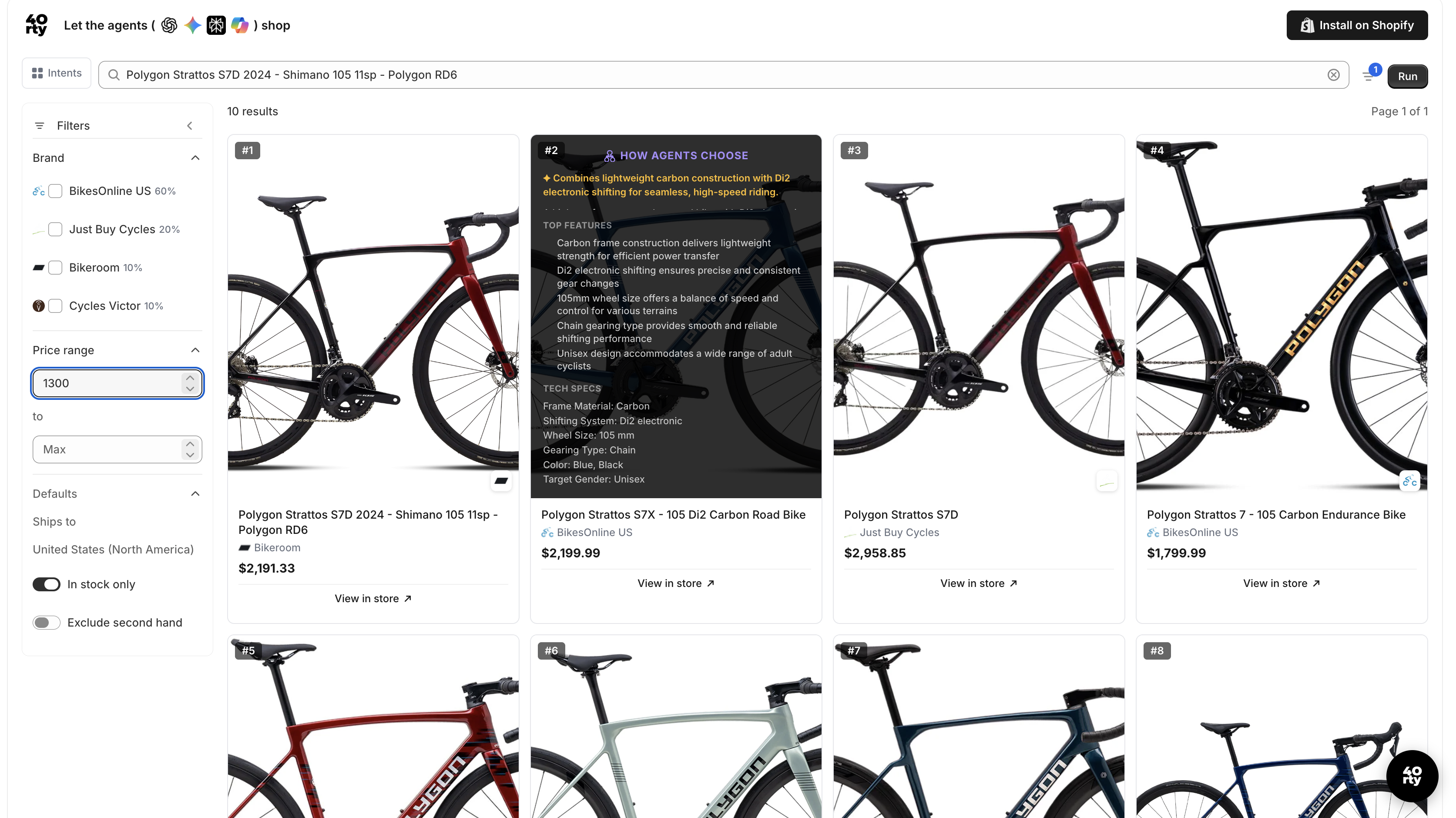
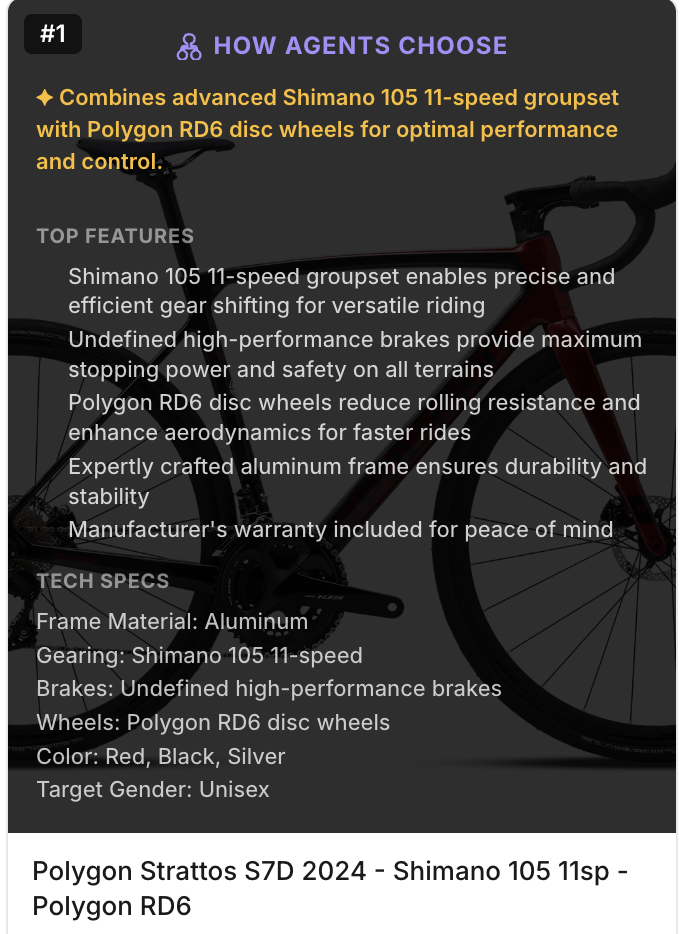
40rty Product Catalog Explorer
The fastest way to see what agents are likely to pull back from your Product Catalog for a real shopping intent.
- Run intent-style queries, not just keyword search.
- See which products show up for different shopping asks and compare outcomes across prompts.
- Spot when the response is strong on regular web presence but weak on catalog decision data.
- Useful for merchandisers, ecommerce leads, catalog managers, and agency operators.
- It helps catch silent failures - like confusing variant naming, weak product titles, missing attributes, and thin listing context - before they become missed selection opportunities.
40rty Knowledge Base Automation
Beyond Product Catalog data, the knowledge layer matters too.
With 40rty, merchants can generate FAQs, upload knowledge from CSV, and push that data into Shopify's Knowledge Base app with far less manual work. That means less copy-pasting, faster setup, and a better way to prepare policies, product guidance, and brand context for agent-driven shopping experiences. Auditing for this data layer is coming soon.
A much easier way for merchants to prepare brand and product knowledge for agentic commerce.
- Generate FAQs directly inside 40rty
- Upload structured knowledge from CSV in bulk
- Sync that data into Shopify's Knowledge Base app without the usual manual setup work
- Create a cleaner path for brands to make policies, product guidance, and brand context accessible to agents
Why this matters:
- Product selection is only part of the journey. Agents also need answers to pre-purchase questions.
- That includes things like sizing, materials, shipping, returns, usage recommendations, compatibility, and brand policies.
- Most merchants do not want to manually rewrite and upload all of this one by one into a knowledge base.
- 40rty helps automate that workflow, so merchants can go from scattered product and support data to a usable Shopify knowledge base much faster.
What's coming next:
We'll soon release auditing for this layer as well, so brands can evaluate the quality, coverage, and readiness of the knowledge being fed into these agentic channels.
Because we care about more than just catalogs, we foresee a clear future for agentic commerce in 2027. You're welcome to read our x.com article, "E-commerce Killed the Salesperson. AI Is Bringing Them Back"
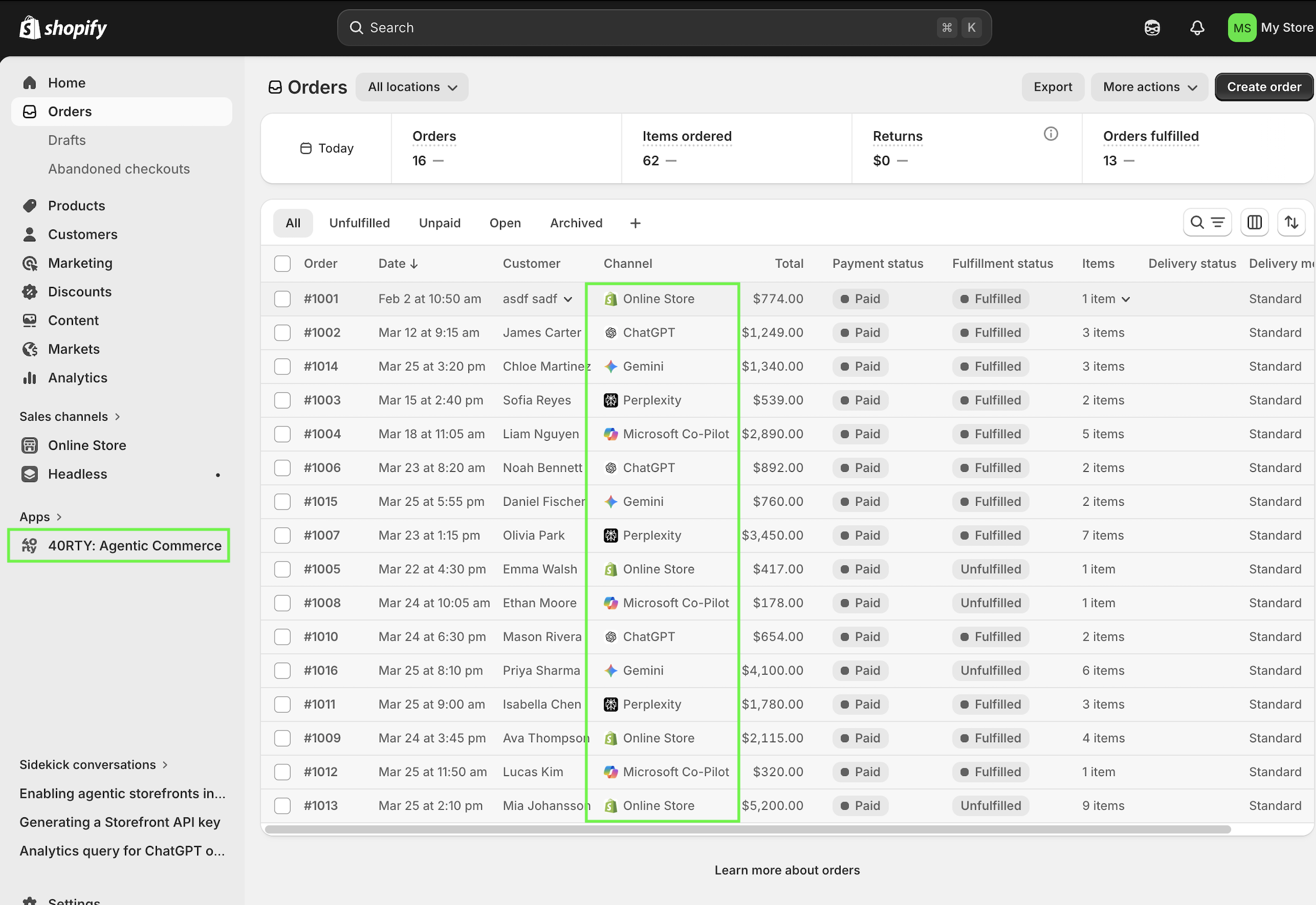
This is it for today. Happy agentic-commerce week, we wish you all see your orders page like this by end 2026.
40rty Founding Team.